
As climate change continues to disrupt our planet, its effects extend beyond rising temperatures and extreme weather events. One area often overlooked is the impact of climate change on eye health. From increased UV radiation to worsened air quality, the changing environment is causing several eye-related issues.
Increased UV Exposure
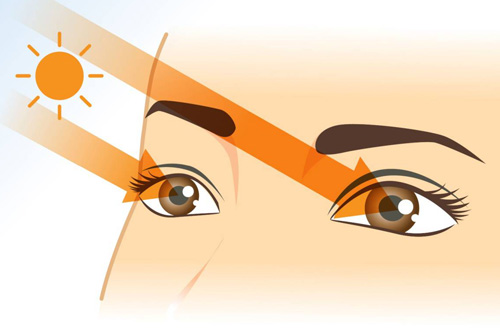
Rising global temperatures have led to thinning ozone layers, resulting in higher levels of ultraviolet (UV) radiation. Over time, prolonged UV exposure can contribute to eye damage such as cataracts, macular degeneration, and photokeratitis (sunburn of the cornea). Always wear sunglasses with UV protection to safeguard your eyes.
Worsening Air Quality
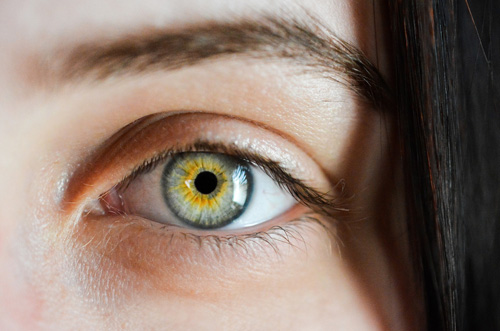
Pollution levels are on the rise due to industrial emissions and wildfires, which can severely affect eye health. Exposure to pollutants like smoke and dust can cause eye irritation, dry eyes, and even exacerbate conditions like conjunctivitis. For those with asthma or allergies, the air quality decline may also increase the risk of eye inflammation.
Allergies and Pollen
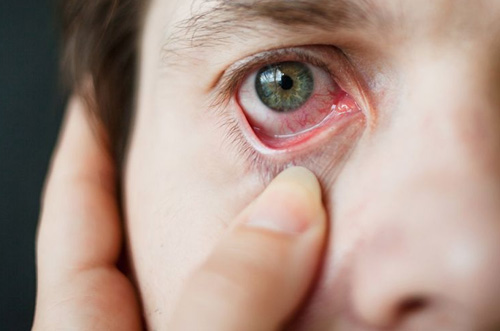
Climate change has led to longer allergy seasons, and increased pollen levels are triggering more cases of eye allergies. Symptoms include itching, redness, and watery eyes, which can worsen as temperatures rise and air becomes more polluted.
Extreme Weather Events
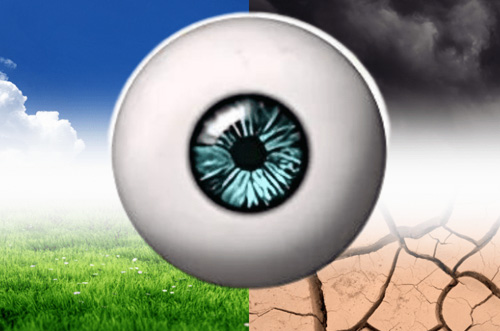
Storms, floods, and droughts can bring debris into the air, leading to foreign particles irritating your eyes. After a storm, make sure to clean your eyes to avoid infections or injuries.
Protecting your eyes from the consequences of climate change requires proactive care and awareness. Stay informed, wear protective eyewear, and take steps to reduce exposure to environmental hazards. Your eyes will thank you!
Your Vision, Our Priority
From children to seniors, we provide comprehensive eye care with precision, empathy, and a commitment to lifelong eye health.
