
Flapless LASIK in Mumbai

Flapless LASIK is a blade-free, flap-free laser vision correction option for selected patients who want clearer vision without a corneal flap.
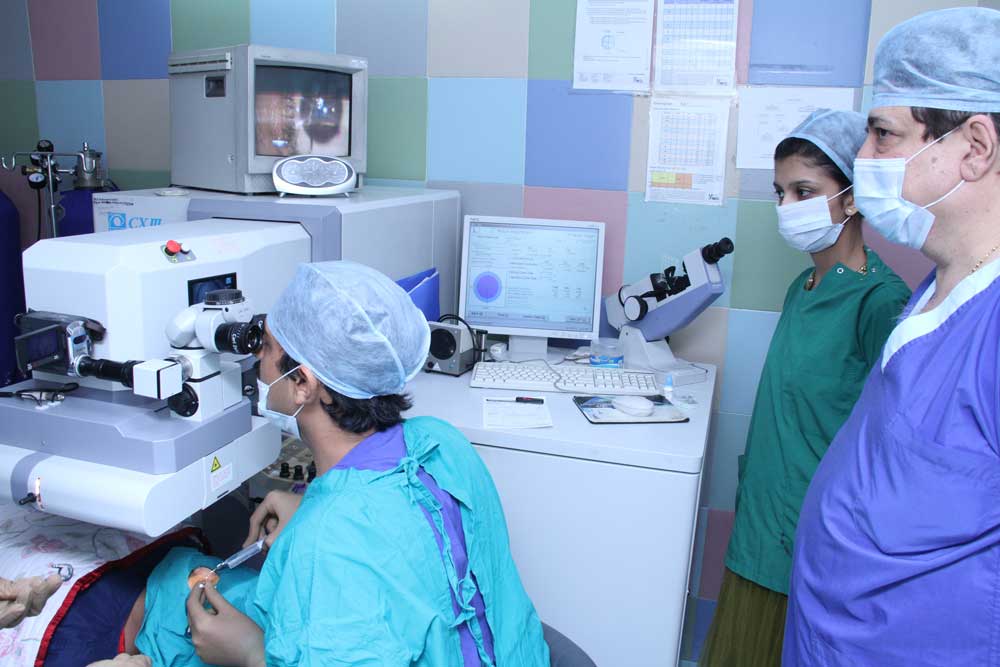
Flapless LASIK in

Flapless LASIK Eye Surgery

Flapless LASIK eye surgery in Mumbai offers a modern laser vision correction option for selected patients with nearsightedness, farsightedness, or astigmatism. Unlike traditional LASIK, this approach does not require creating a corneal flap.

The laser works directly on the surface of the cornea to reshape it. This makes flapless LASIK useful for some patients with thin corneas, dry eye concerns, active lifestyles, or situations where avoiding flap-related risk is important.

What is flapless LASIK?

Flapless LASIK is also commonly discussed as surface ablation or TransPRK. In standard LASIK, a thin flap is created on the cornea and lifted before laser correction. In flapless LASIK, no flap is made, and the laser treatment is performed on the corneal surface.

The eye is examined carefully before treatment to confirm corneal thickness, prescription stability, tear film health, and overall suitability for laser vision correction.

Why choose flapless LASIK?

  • No flap and no blade: No corneal flap is created during the procedure.
  • Suitable for selected thin corneas: It may be considered when traditional LASIK is not ideal because of corneal thickness or anatomy.
  • Lower flap-related risk: It avoids flap displacement concerns, which can matter for active patients and contact-sport lifestyles.
  • Stable visual correction: The goal is clear, long-term vision improvement after complete healing.

Who may be considered?

  • Adults aged 18 or older with a stable prescription.
  • Patients with thin corneas or borderline LASIK suitability.
  • Patients with dry eye concerns where standard LASIK may not suit.
  • People who want a blade-free and flap-free procedure.
  • Patients advised against conventional LASIK after corneal screening.

Flapless LASIK surgery process

  • Preparation: Numbing eye drops are applied, and the eye area is cleaned. The procedure does not require injections.
  • Laser correction: A precise laser reshapes the corneal surface. The active laser time is usually brief.
  • Protective lens: A soft bandage contact lens is placed after treatment to support surface healing.
  • Recovery: Vision improves gradually, often over days to weeks depending on individual healing.

Flapless LASIK versus standard LASIK

Standard LASIK usually has faster early recovery because correction is performed under a corneal flap. Flapless LASIK avoids flap creation but typically has a more gradual healing period because the surface layer needs time to recover.

The better option depends on corneal thickness, eye power, tear film, lifestyle, healing expectations, and detailed diagnostic results.

Why Kenia Eye Hospital?

Kenia Eye Hospital combines detailed diagnostic screening with advanced refractive surgery planning. Each patient receives a personalized recommendation based on eye health, corneal mapping, prescription, lifestyle, and visual goals.
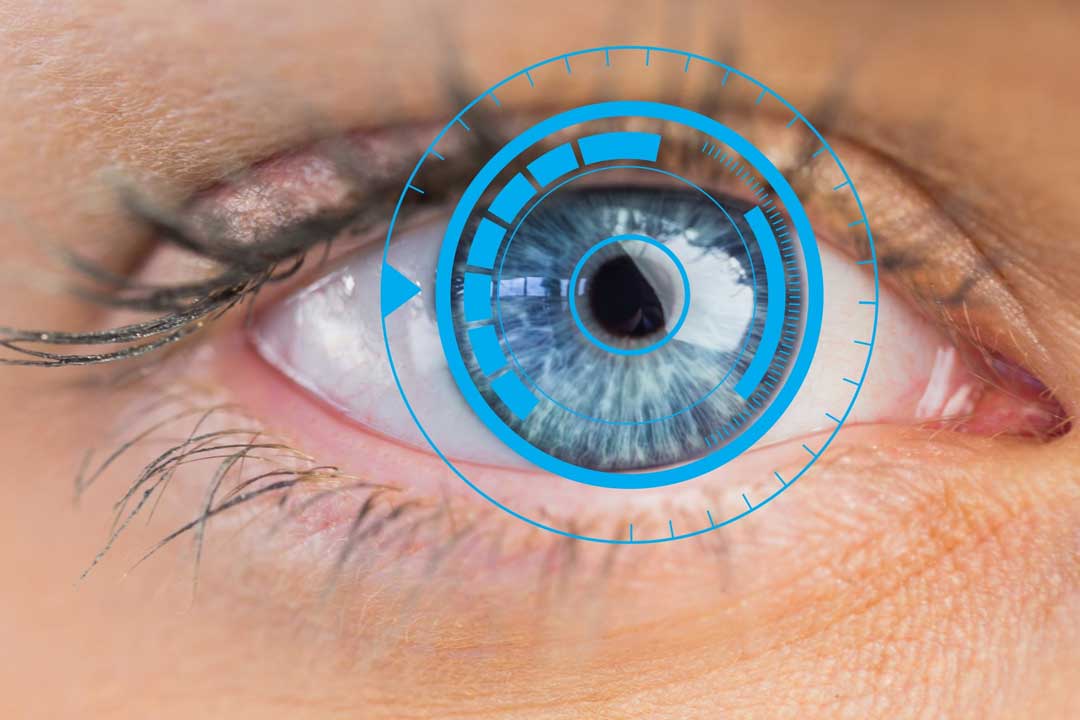
Flapless LASIK eye surgery at Kenia Eye Hospital

FAQs

Flapless LASIK does not create a corneal flap. The laser works on the corneal surface, while traditional LASIK creates a flap and treats a deeper layer underneath it.