Squint and Pediatric Eye Care
Squint, or strabismus, is an eye alignment condition that can affect children and adults. Timely diagnosis helps protect vision, depth perception, comfort and appearance.
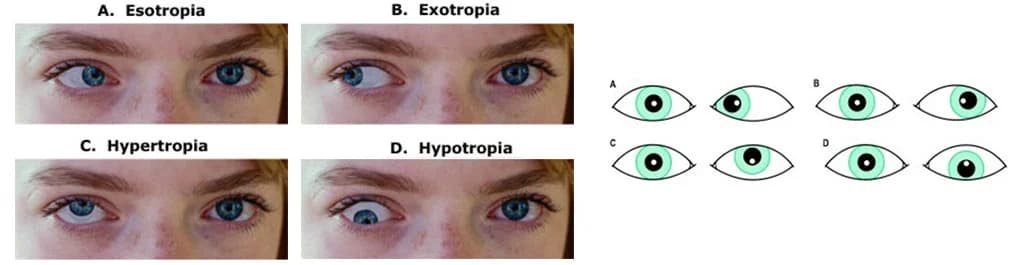
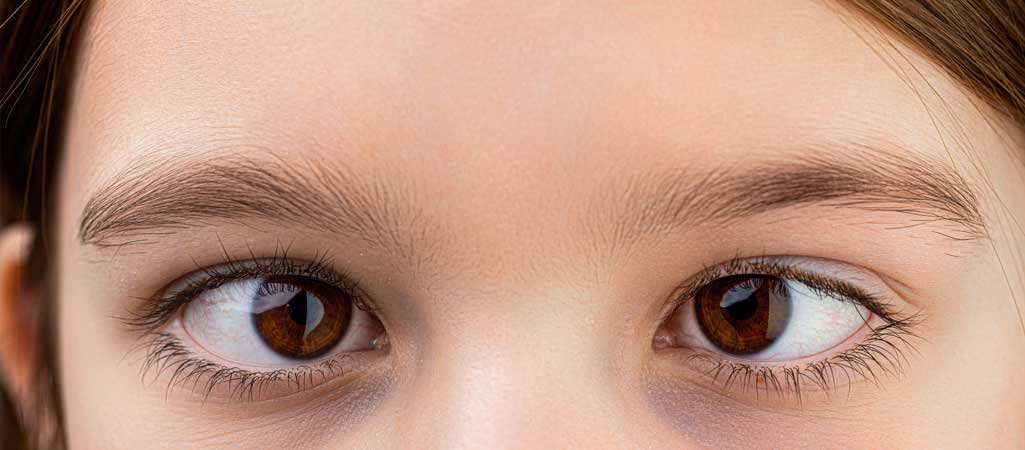
Squint, also called strabismus, is a condition where both eyes do not point in the same direction at the same time. One eye may look straight while the other turns inward, outward, upward, or downward.
The misalignment may be constant or intermittent. It is often noticed in childhood, but adults can also develop squint because of nerve, muscle, thyroid, trauma, or other health-related causes.
Early evaluation is important because untreated childhood squint can affect visual development, depth perception, and may lead to amblyopia, commonly called lazy eye.
In many children, the exact cause is not clear. Squint often occurs because the brain has difficulty coordinating eye movement and visual focus together.
A sudden squint, new double vision, uncontrolled eye movements, eye movement restriction, headache with vomiting, or a new inward eye turn after trauma should be assessed quickly. Sudden-onset squint can sometimes be linked to nerve palsy, raised intracranial pressure, thyroid eye disease, or other medical conditions.
Not every squint requires surgery. The treatment plan depends on the cause, the patient's age, eye power, vision in each eye, and the direction and amount of misalignment.
Squint surgery aims to improve eye alignment by weakening, tightening, or repositioning selected eye muscles. The surgery may involve one or both eyes depending on the direction and degree of squint.
The amount of correction is planned after detailed measurements. Surgery can improve alignment, help binocular function in suitable patients, and reduce the cosmetic impact of visible eye misalignment.
In young children, the brain is still learning to use both eyes together. Early treatment can help protect visual development, reduce the risk of amblyopia, and improve the chance of better binocular vision.