RETINAL LASERS

ARGON LASER TREATMENT
Schedule your consultation
RETINAL LASERS

Retinal lasers are used for several retinal conditions, including diabetic eye disease, vascular leakage, retinal breaks, membranes, and macular degeneration.

Argon laser treatment
Focal and pan retinal laser care
Retinal specialist evaluation

Retinal Lasers

Argon Laser Treatment

Retinal Argon Laser treatment is given for many different conditions in the eye, such as vascular diseases, diabetes, membranes, retinal breaks, and macular degenerations.

Argon laser is used to prevent leakage of fluid from blood vessels at the back of the eye, the retina, or to prevent the development of abnormal blood vessels in the eye. These problems may be related to diabetes or may be caused by other conditions affecting the blood vessels on the retina.

Focal Laser Treatment

Here the laser is targeted towards the leaking area to reduce leakage of fluid from leaky blood vessels in the retina. You may require more than one treatment. The improvement in symptoms may take a few weeks to be noticed, and if the leaking areas are too close to the central part of the vision, the risks of reduced vision caused by the treatment may outweigh the potential benefits.

Pan Retinal Laser Treatment

This is used to treat parts of the retina which are producing substances that encourage the development of abnormal blood vessels on the retina or iris. The problem with abnormal blood vessels is that they are prone to bleed, causing potentially devastating visual complications. The treatment takes longer than focal treatment because more laser shots are applied to the retina.

Which of the two treatments applies to you is determined by your visit to our retinal specialist.

Process of Argon Laser Treatment

This appointment is scheduled by the appointment desk after your consultation with our doctor. You will have dilating drops put into the eye to enlarge the pupil, which can take between 30 to 60 minutes for maximum effect.

  • You will then have some local anaesthetic drops put into the eye to numb the surface.
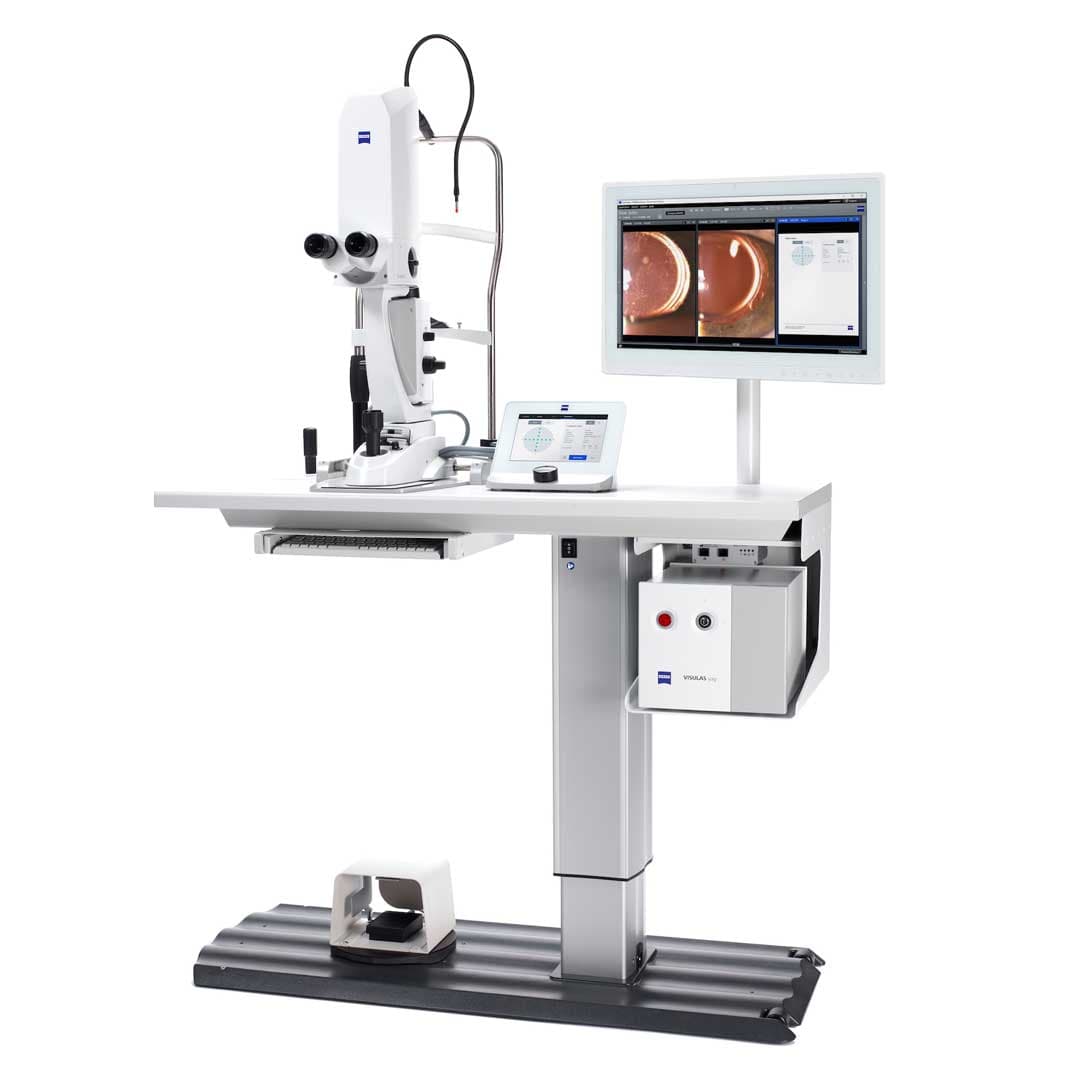
  • The doctor will ask you to sit at the laser machine and put your chin on the rest.
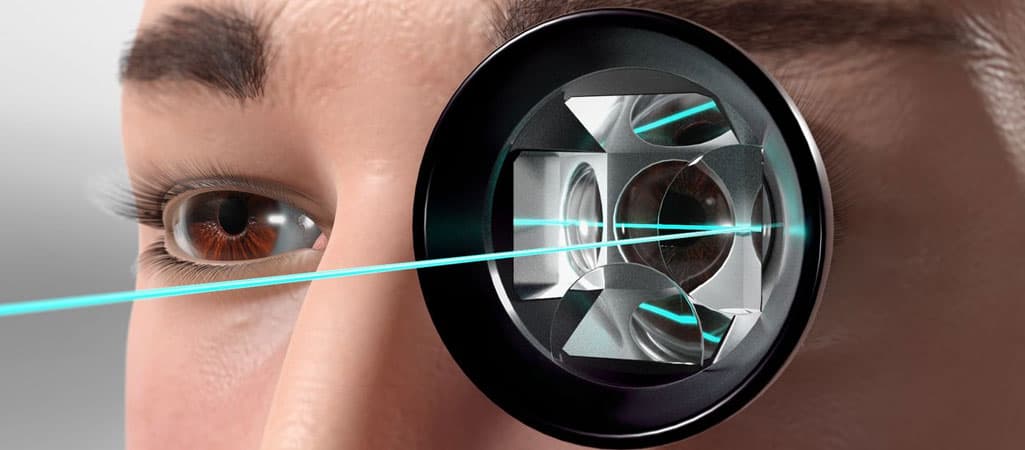
  • A lens will be placed on the eye to allow the doctor to focus the laser on the retina.
  • You will then hear some clicks of the machine firing and see some bright flashes of light.
  • It is important to keep the eye as still as possible, keep the eyes open, and avoid squeezing the eyes closed.
  • Your doctor will be able to help you with this by using the lens.
  • This takes between 10-45 minutes.

Post Argon Laser Treatment

  • Your vision may be blurred for a few hours after the procedure, partly because the pupil will remain dilated for this time and partly because of the bright light used in the procedure.
  • You may experience brief discomfort or tenderness of the eyes during and after the procedure.
  • Pain is unusual, but can be dealt with using a mild pain killer like paracetamol.
  • A prescription may be given for further eye drops or cream.
  • You will not be able to drive home following treatment due to the eye drops used, which will temporarily dilate your pupils and blur your vision. It is ideal to bring a relative or friend with you if possible.
  • You should avoid heavy lifting for 48 hours after laser treatment.

Vision After Argon Laser Treatment

  • Your vision may gradually improve over a few weeks, stay the same, or rarely get worse.
  • Treatment done in just one sitting may not always work due to persistent leakage, and further treatments may be required.
  • The improvement is usually slow and may take weeks for you to notice.
  • If the treatment has been used to prevent bleeding from abnormal blood vessels, you are unlikely to notice any change in your vision.
  • If you experience severe floaters, flashing lights, or loss of vision, please contact us as soon as possible.
Retinal laser treatment equipment