OPTOS Ultra-Widefield Retina Imaging

RETINAL IMAGING

Schedule your consultation
OPTOS

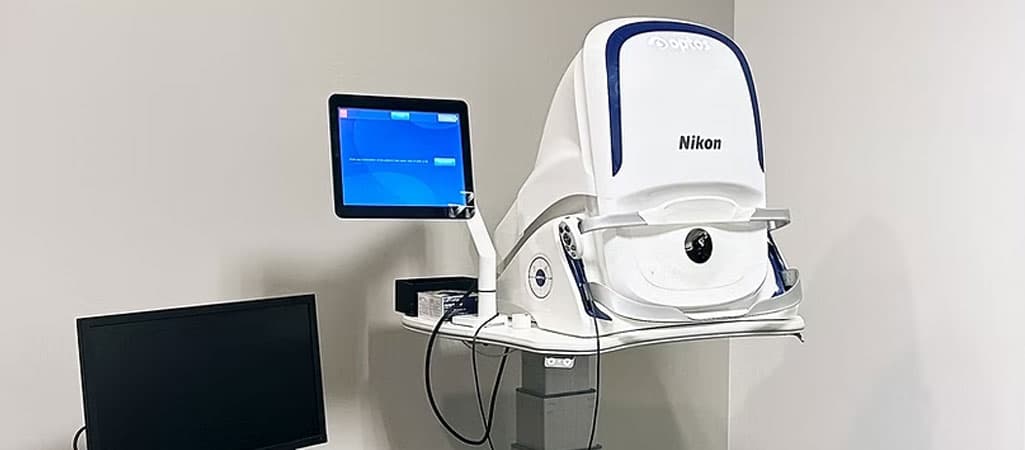
OPTOS captures ultra-widefield retinal images for comprehensive examination of the central and peripheral retina, supporting early detection and monitoring of sight-threatening disease.

Up to 200-degree retinal imaging
Central and peripheral retina assessment
Early retinal disease detection

OPTOS Ultra-Widefield Retina Imaging

At Kenia Eye Hospital, we use advanced OPTOS Ultra-Widefield Retina Imaging technology for comprehensive retinal examination and early detection of sight-threatening eye diseases.

OPTOS is a state-of-the-art retinal imaging system capable of capturing up to 200 degrees of the retina in a single image, significantly wider than conventional retinal photography. This allows our retina specialists to examine both the central and peripheral retina with exceptional clarity and detail.

What Is OPTOS Retina Imaging?

OPTOS is a non-invasive, ultra-widefield digital retinal imaging technology that helps detect retinal disorders quickly and accurately, often without the need for routine dilation.

The system provides high-resolution imaging of:

  • Retina
  • Macula
  • Optic nerve
  • Peripheral retina
  • Retinal blood vessels

This advanced technology plays a crucial role in early diagnosis, monitoring, and treatment planning for various retinal and systemic diseases affecting the eye.

Conditions Detected with OPTOS

  • Diabetic Retinopathy: Early detection of diabetes-related retinal damage before significant vision loss occurs.
  • Retinal Tears & Retinal Detachment: Identification of peripheral retinal holes, tears, and detachments that may otherwise remain unnoticed.
  • Age-Related Macular Degeneration (AMD): Monitoring and diagnosis of macular disorders affecting central vision.
  • Glaucoma: Assessment of optic nerve health and retinal nerve fiber changes.
  • Retinal Vascular Disorders: Detection of retinal vein occlusion, hemorrhages, and vascular abnormalities.
  • Peripheral Retinal Degeneration: Comprehensive screening of retinal changes in high myopia and degenerative conditions.

Benefits of OPTOS Imaging

  • Ultra-widefield retinal imaging up to 200 degrees
  • Quick and comfortable test
  • Often possible without dilation
  • Early detection of retinal diseases
  • High-resolution digital documentation
  • Better monitoring of chronic retinal conditions
  • Improved patient education and treatment planning

Why OPTOS Is Important

Many retinal diseases develop silently without early symptoms. Traditional retinal imaging may miss abnormalities located in the peripheral retina. OPTOS technology helps detect these hidden retinal changes at an early stage, improving treatment outcomes and helping prevent vision loss.

This technology is especially beneficial for:
  • Diabetic patients
  • High myopia patients
  • Retina disorder screening
  • Routine preventive eye check-ups
  • Patients with flashes and floaters
  • Post-retinal surgery follow-up
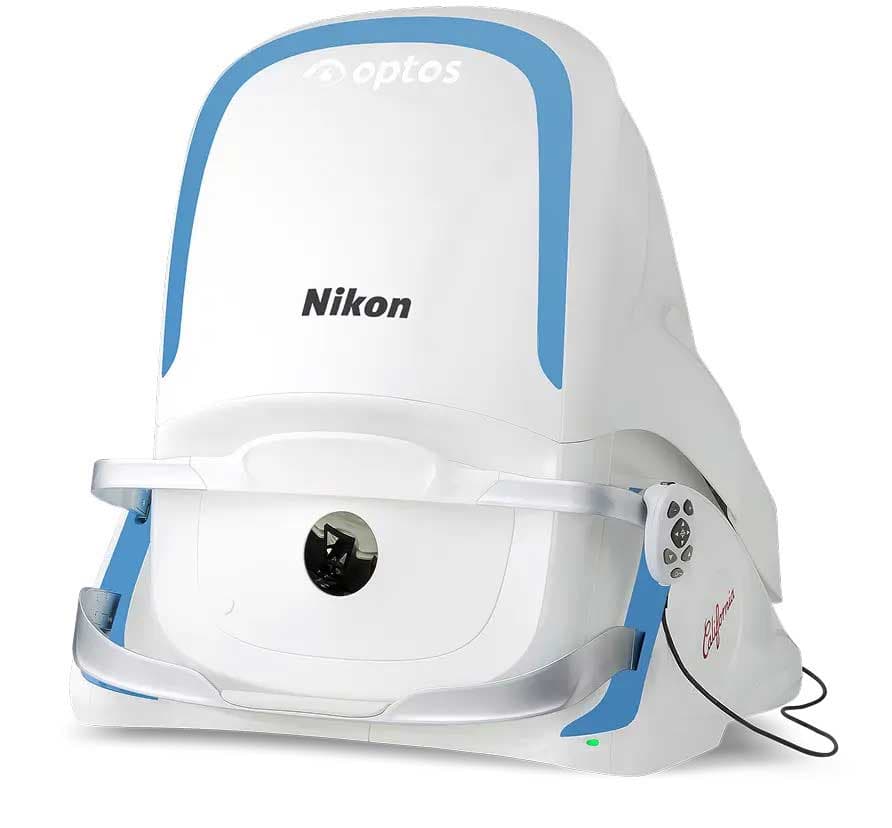
OPTOS ultra-widefield retina imaging equipment