
1
Step 1

Detailed Pre-Surgery Eye Evaluation
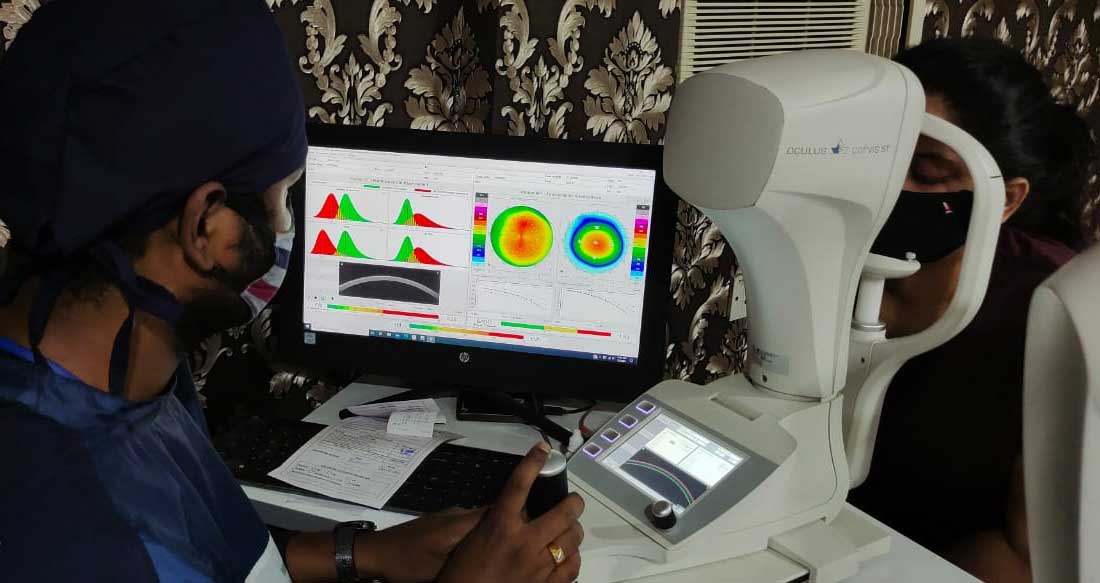
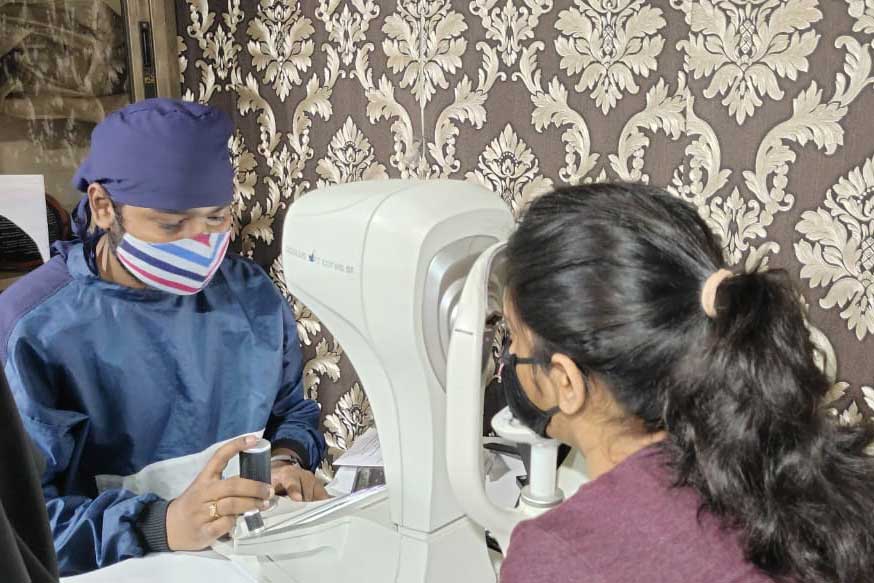
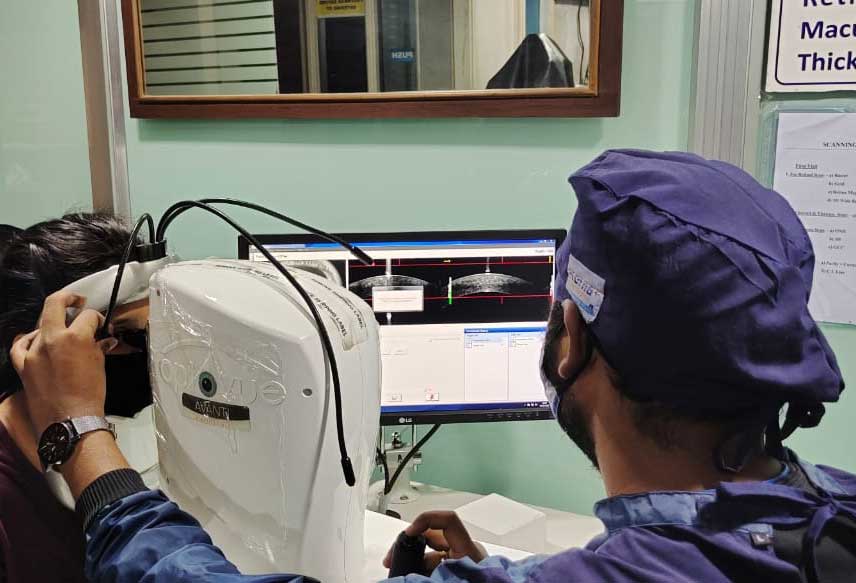
We perform comprehensive biometry using IOL Master 700, corneal topography on Pentacam HR, and retinal imaging to confirm cataract grade, IOL power, and overall eye health.
Kenia Eye Hospital is one of Mumbai's most trusted destinations for cataract surgery, offering advanced robotic Femto cataract surgery alongside conventional Phacoemulsification, all customised to your eye and lifestyle. Backed by 26 years of clinical legacy since 1998 and led by Dr. Vaishal Kenia, our cataract specialists have performed thousands of successful surgeries with premium intraocular lenses (IOLs) for clearer, sharper, glasses-free vision after surgery.
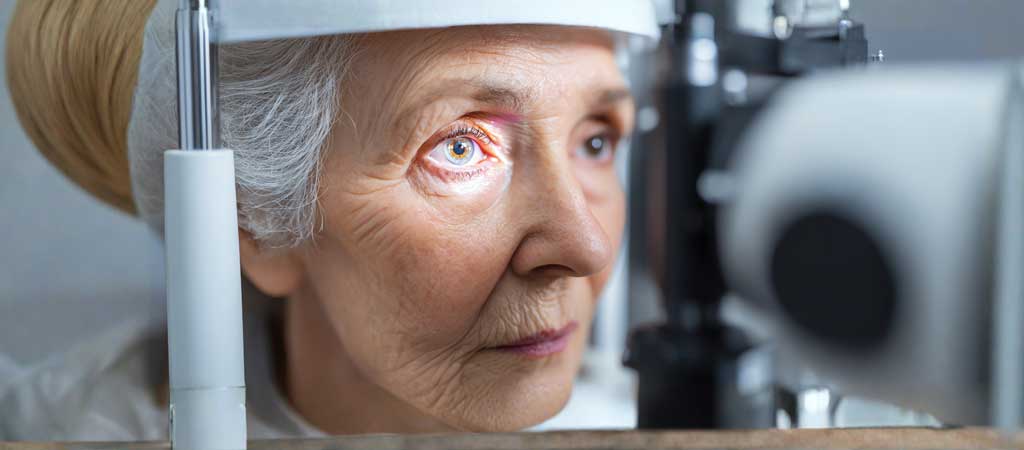

At Kenia Eye Hospital, cataract surgery is a precise, personalised, and predictable day-care procedure. We combine bladeless robotic Femto technology, image-guided lens placement using Verion, and a full range of premium IOLs to deliver outcomes that match your lifestyle, whether that is reading, driving, working on screens, or enjoying outdoor activities.
Every cataract treatment plan is built after a detailed biometry workup, corneal mapping, and lifestyle consultation, ensuring the right surgery type and the right lens for your eyes. With over 50,000 cataract surgeries performed since 1998, and Dr. Vaishal Kenia recognised four times (2018, 2019, 2020, 2022) at the ESCRS Video Symposium for complex cataract management, Kenia Eye Hospital is recognised as one of the best cataract surgery centres in Mumbai.
A cataract is a clouding of the eye's natural lens that develops gradually and causes blurry, dim, or hazy vision. The natural lens, which sits behind the iris, normally focuses light onto the retina. When proteins in the lens break down and clump together, the lens turns cloudy, leading to symptoms like glare, faded colours, and difficulty seeing in low light.
Cataract is the leading cause of treatable blindness in India, and the only effective treatment is surgical removal of the cloudy lens, replaced with a clear artificial intraocular lens (IOL). Modern cataract surgery is bladeless, painless, and takes about 15 to 20 minutes per eye, with most patients seeing clearly within 24 to 48 hours.
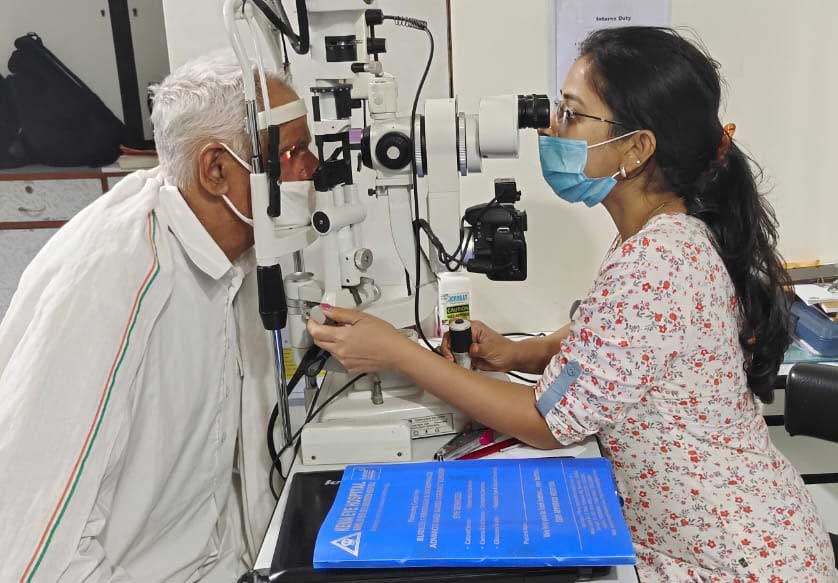
Get a comprehensive cataract evaluation with our specialists. Quick, painless, and personalised.
Who Is at Risk of Cataract?
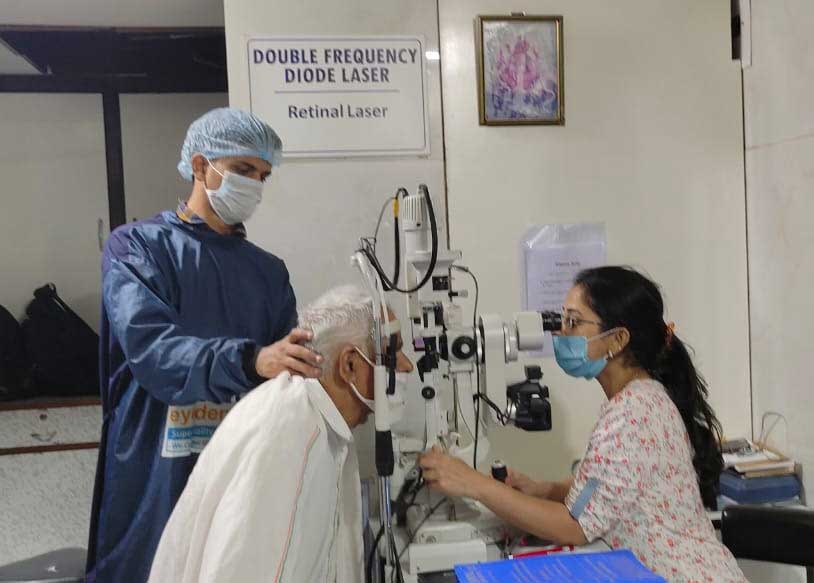
If you experience two or more of these symptoms, it's a good time to schedule a cataract evaluation with our specialists.
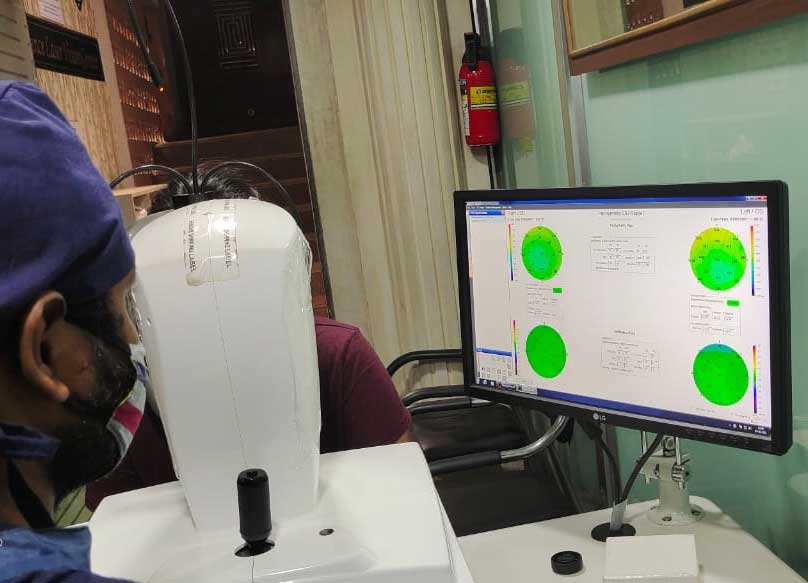
We offer the full spectrum of cataract surgery options, matched to your eye anatomy, vision needs, and lifestyle.
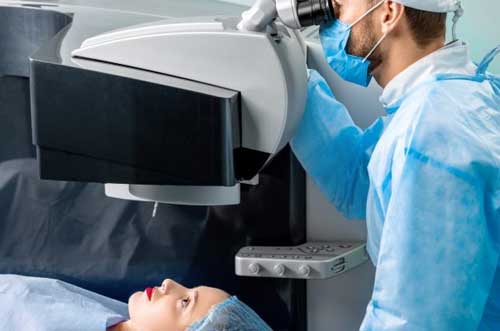
A bladeless, image-guided procedure performed using the FEMTO Z8 NEO laser. Offers unmatched precision in corneal incision, capsulotomy, and lens fragmentation. Ideal for patients seeking premium outcomes, complex cataracts, or premium IOL implantation.
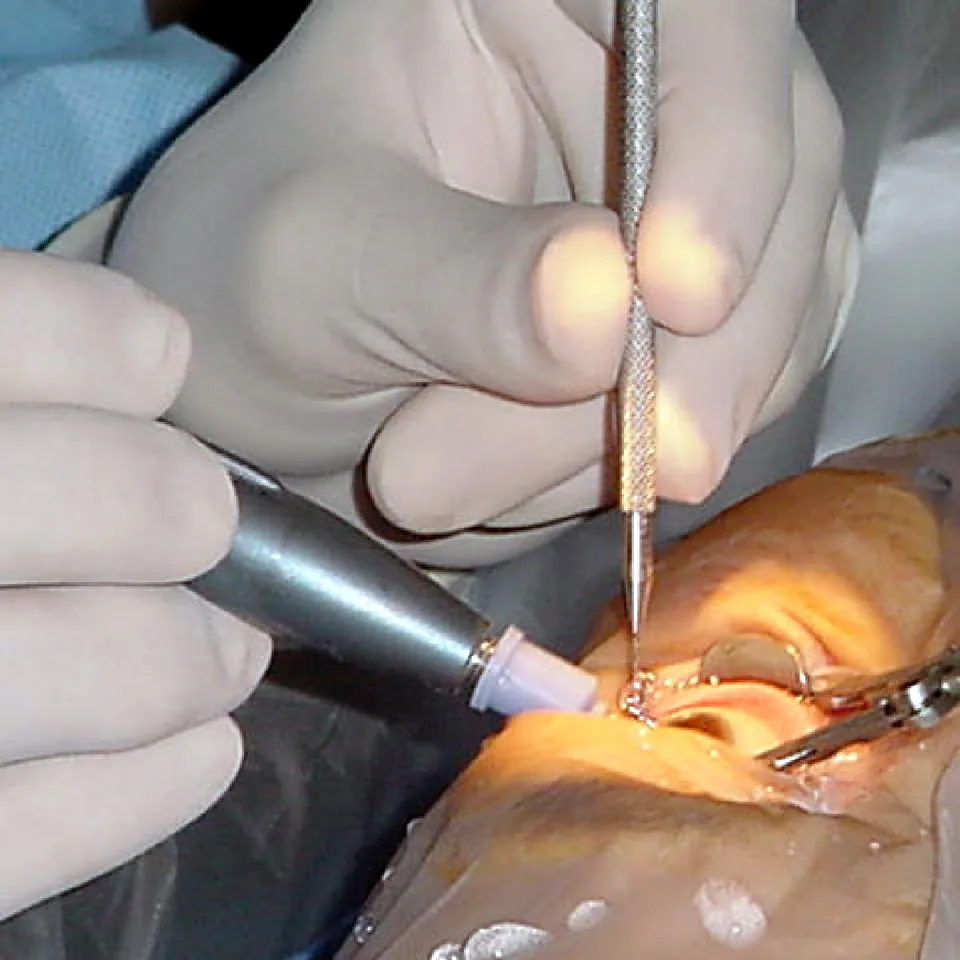
Micro-incision cataract surgery, where the cloudy lens is broken down with ultrasound and removed through a 2 mm incision. A stitchless, day-care procedure with rapid recovery.
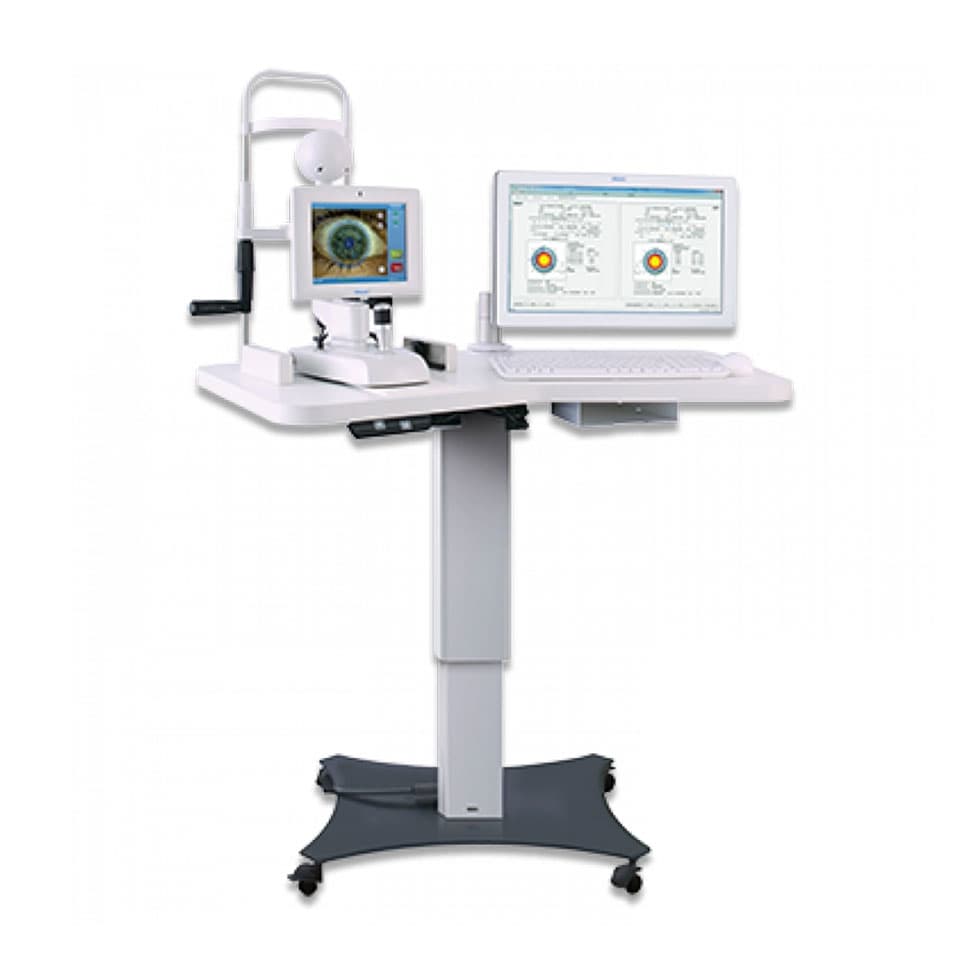
Cataract surgery enhanced with real-time corneal mapping using Verion technology for precise IOL alignment, especially in patients with astigmatism.
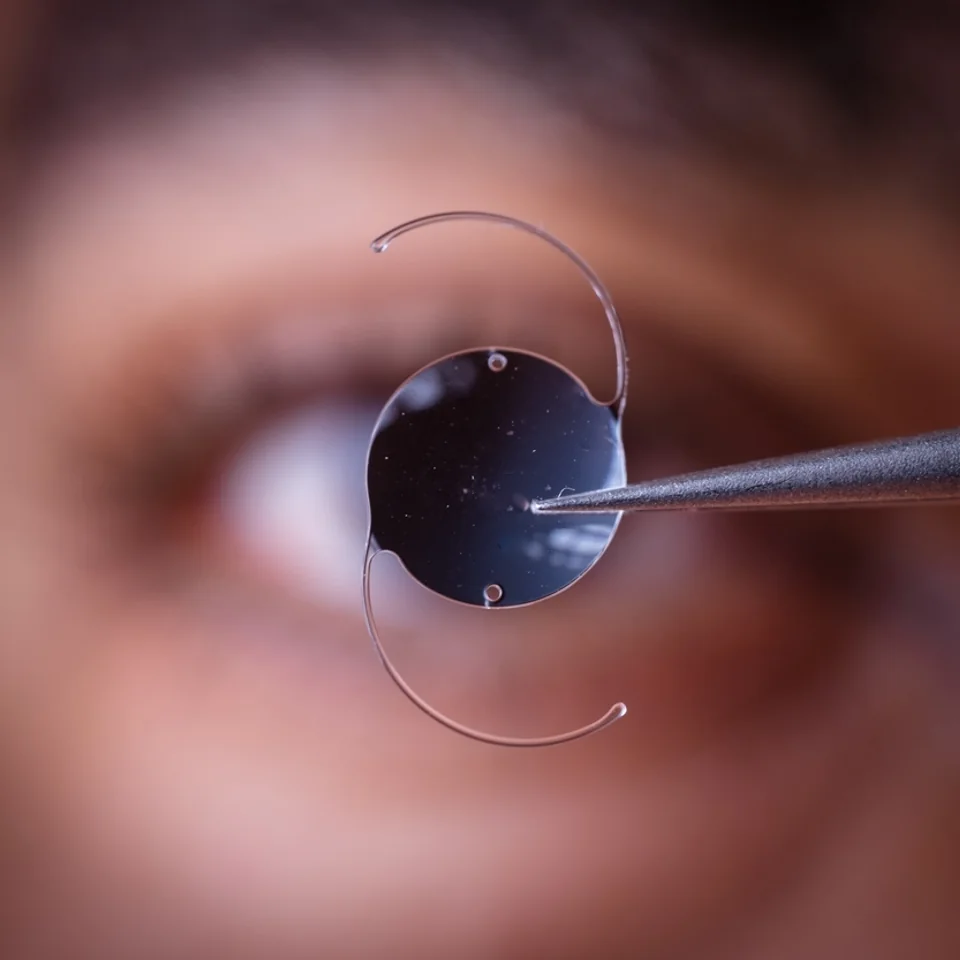
Standard lenses that provide clear distance vision. Reading glasses are still needed for near work.
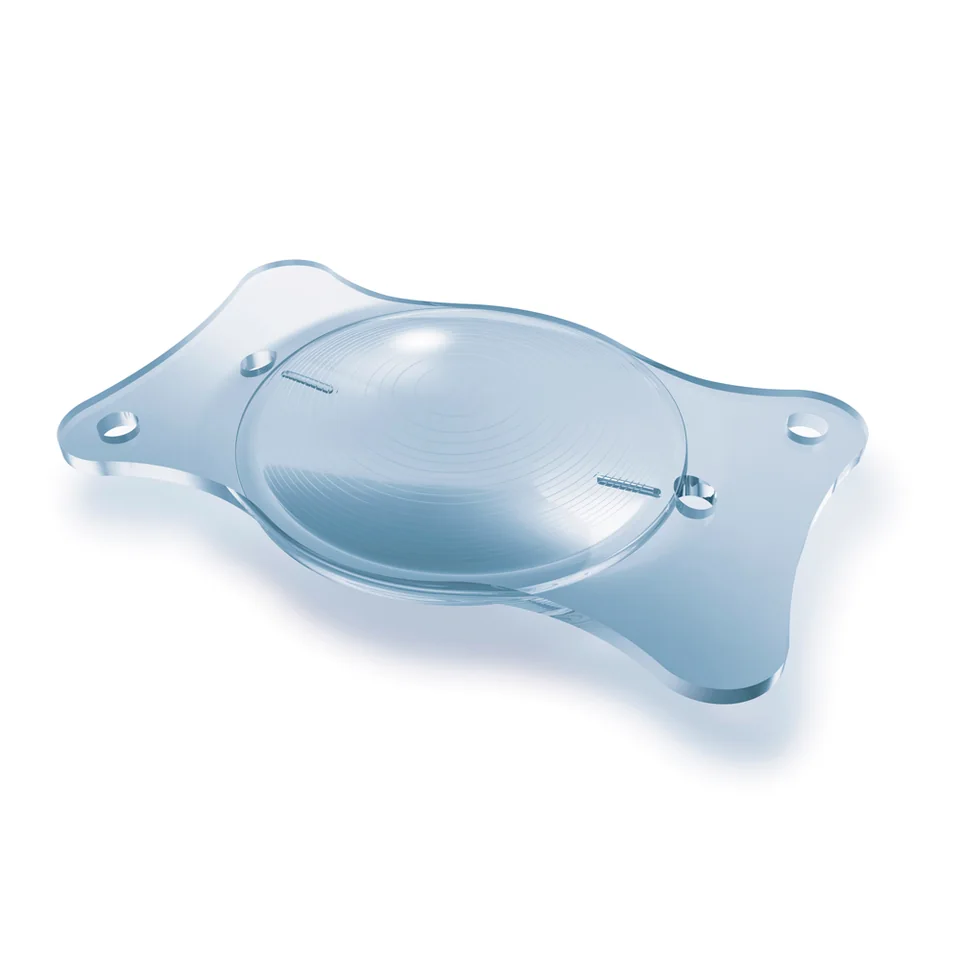
Correct astigmatism along with cataract for sharper distance vision.
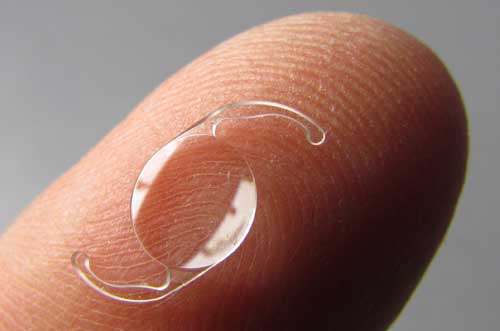
Provide clear near, intermediate, and distance vision, reducing dependence on glasses.
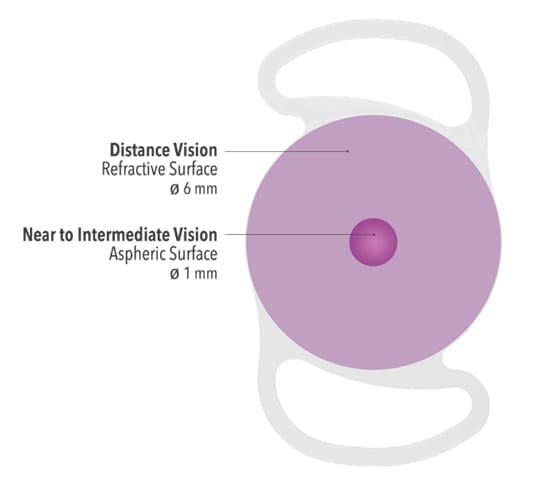
Offer a continuous range of vision with fewer night vision side effects.
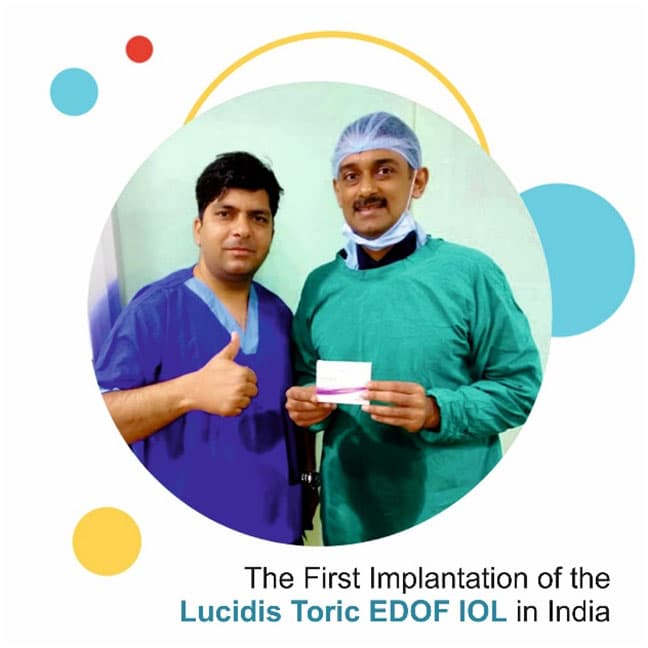
Kenia Eye Hospital is the first centre in India to implant the Lucidis Toric EDOF IOL, a premium lens that combines extended depth of focus with astigmatism correction in a single implant.
Your cataract surgery journey at Kenia is structured into six clear steps, from biometry to follow-up.
We perform comprehensive biometry using IOL Master 700, corneal topography on Pentacam HR, and retinal imaging to confirm cataract grade, IOL power, and overall eye health.
Based on your evaluation, Dr. Vaishal Kenia explains your IOL options (Monofocal, Toric, Multifocal, EDOF, Lucidis) and recommends the best lens for your lifestyle.
Light fasting may be advised on the day of surgery. Numbing eye drops are applied, with no needles or injections used. The whole admission process is short and stress-free.
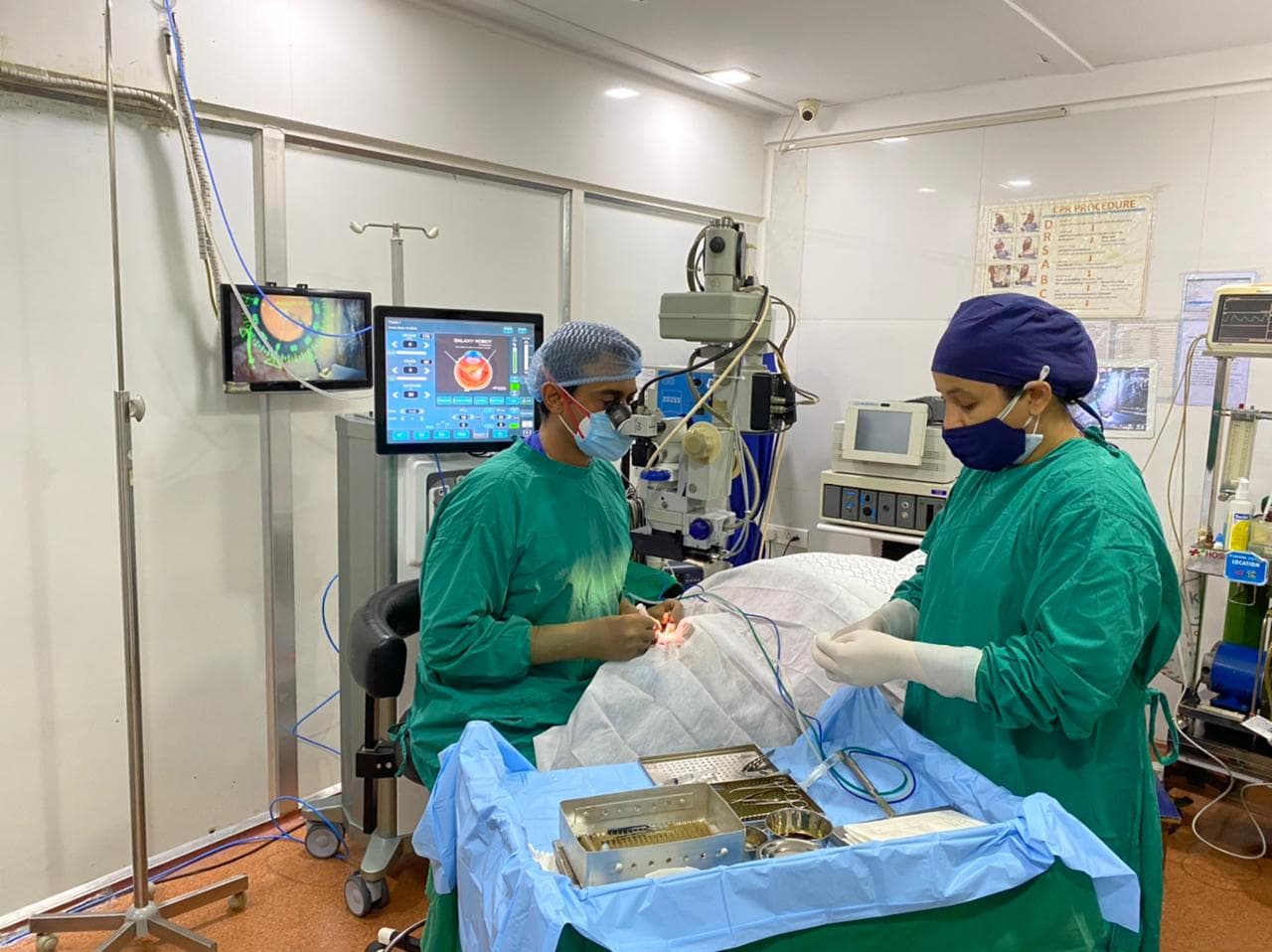
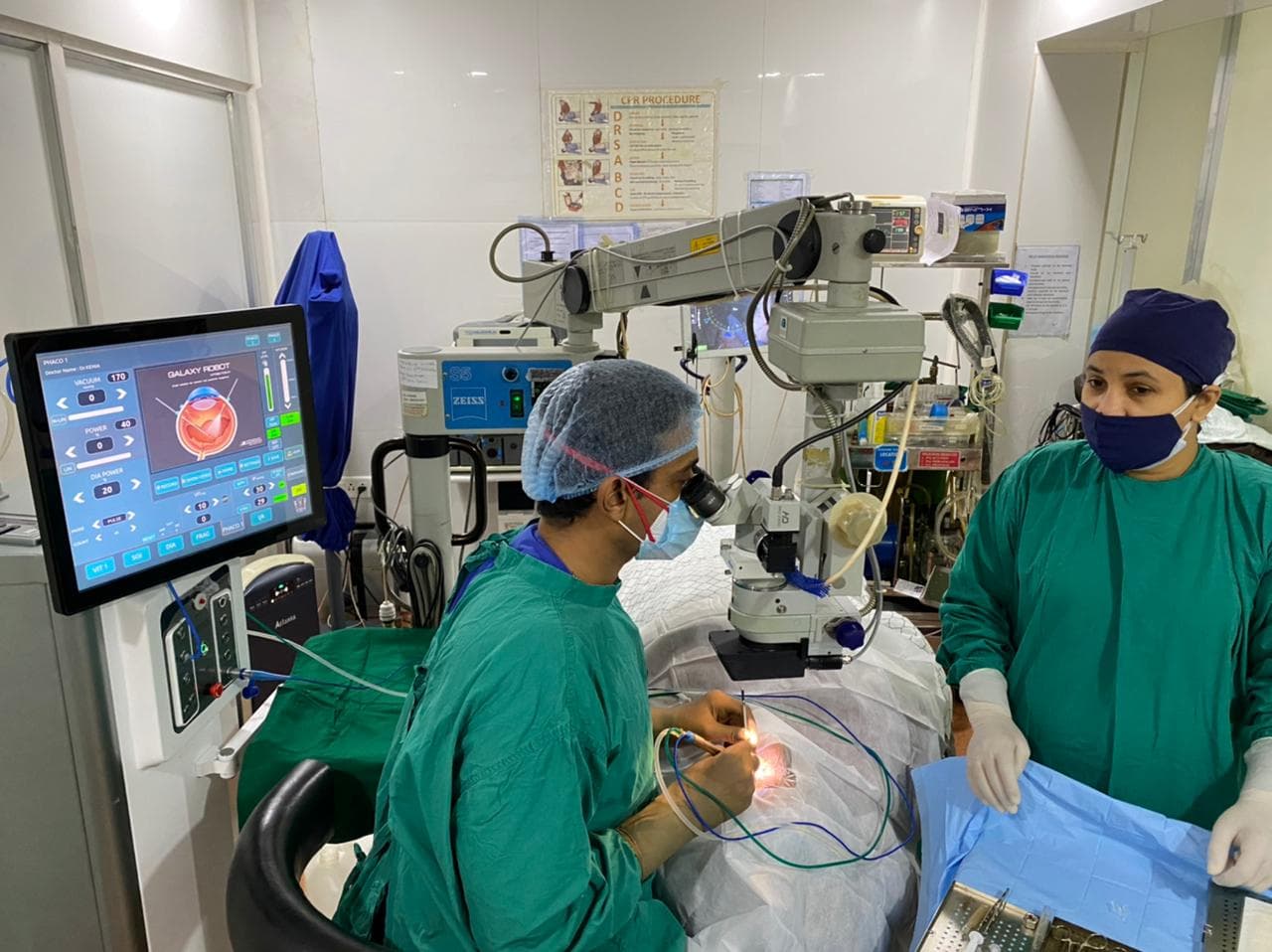
The procedure is performed under topical anaesthesia. Your cloudy lens is gently emulsified and removed through a micro-incision, and your chosen IOL is implanted in its place.
You rest for 30 to 60 minutes after surgery. Most patients walk home the same day with mild blurring that clears within hours. No bandages or overnight hospital stay needed.
First check-up within 24 hours, with scheduled follow-ups over the next 4 weeks. Prescribed eye drops are used for 4 to 6 weeks for optimal healing.
Book a personalised cataract consultation with Dr. Vaishal Kenia. Walk-in or scheduled appointments available.
Cataract surgery at Kenia Eye Hospital is one of the safest, most effective vision-restoring procedures performed today.
Most patients see clearly within 24 to 48 hours of surgery, with significant improvement in brightness, sharpness, and colour perception.
No injections, no stitches, no overnight stay. You walk in and walk home the same day.
Robotic Femto cataract surgery on the FEMTO Z8 NEO ensures consistent incisions, accurate IOL positioning, and faster healing.
From standard Monofocal to premium Multifocal, EDOF, and Lucidis Toric EDOF lenses, your IOL is chosen to match your unique vision needs.
With premium IOLs, most patients enjoy spectacle-free vision for reading, screens, and distance, all from a single surgery.
The implanted IOL is designed to last a lifetime, providing stable, clear vision well into the future.
Kenia Eye Hospital has performed over 50,000 cataract surgeries since 1998, making it one of the most experienced cataract centres in a NABH-accredited multi-superspeciality eye hospital in Mumbai.
Cataract surgery at Kenia is performed by Dr. Vaishal Kenia, an ESCRS-recognised cataract and refractive surgeon with 28+ years of experience and 4 ESCRS Video Symposium selections (2018, 2019, 2020, 2022) for complex cataract management.
Kenia Eye Hospital is the first centre in India to implant the Lucidis Toric EDOF IOL, a premium lens combining astigmatism correction with extended depth of focus.
Robotic Femto cataract surgery is performed on the FEMTO Z8 NEO from Ziemer, Switzerland, the only platform offering five different eye surgeries on a single machine.
Real-time corneal mapping with Verion ensures the most accurate IOL alignment, especially valuable for Toric and Multifocal lenses.
Every cataract patient undergoes pre-surgery imaging on IOL Master 700, Pentacam HR, Anterion, Specular Microscope, and OCT for the safest, most predictable outcome.
Full cost transparency before surgery, with insurance, CGHS, and no-cost EMI options available to make premium cataract surgery accessible.
All cataract surgeries include scheduled post-op follow-up consultations for one full year.

The cost of cataract surgery at Kenia Eye Hospital depends on the type of IOL chosen, the surgical technique used, and the complexity of the cataract. Each cataract case is unique, and pricing is always discussed transparently after a complete eye evaluation.
Factors that influence cataract surgery cost:
Most cataract surgeries are covered by health insurance and CGHS, with cashless processing supported. Premium IOLs may have an additional cost over the insurance-approved range. After your cataract evaluation, our team provides a transparent, all-inclusive cost breakdown so you can plan your surgery with full confidence.
Not sure which surgery is right for you? Explore other vision correction and eye care options at Kenia Eye Hospital.
Take the first step towards clearer, sharper vision. Get a personalised cataract plan from Dr. Vaishal Kenia and our cataract specialists. Personalised evaluation, transparent pricing, no obligations.
Call: +91 75064 99962 | Email: info@keniaeyehospital.com


