
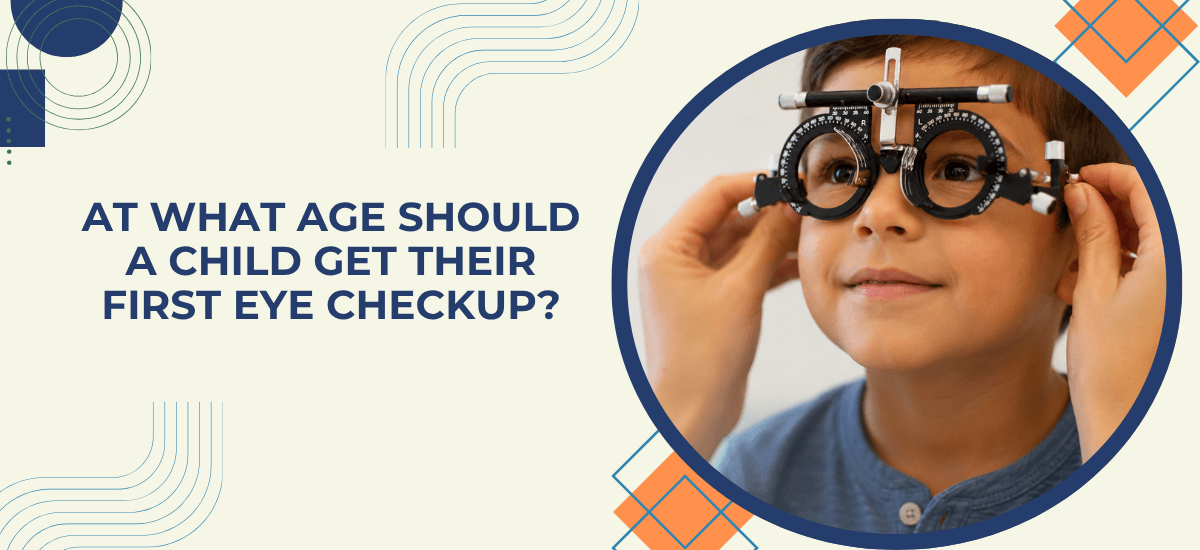
Most parents don't think about an eye exam until a school nurse flags something, and honestly, that's already late. Kids don't complain about blurry vision the way adults do, mostly because they've got nothing to compare it to. A kid who's been squinting at the whiteboard or holding their book two inches from their face for years might genuinely think that's just how everyone sees. So yeah, the first checkup needs to happen a lot earlier than most people assume, sometimes before the kid can even talk.
Dr. Vaishal Kenia, Chairman and Medical Director at Eye Hospital in Mumbai, says: "Parents are usually shocked when I tell them we can screen a baby's eyes before their first birthday. Babies obviously can't say something looks blurry, so the exam itself has to catch things like a lazy eye or misalignment while there's still time to actually fix it. Wait until first grade and some of this stuff gets a whole lot harder to correct."
What Are the Key Ages for a Child's Eye Checkups?
Around 6 months is when the first real screening happens. Doctors aren't doing a full vision test at this stage, they're checking basics like eye alignment, pupil response, and any obvious structural red flags.
Between ages 3 and 4, a kid can usually sit still enough for an actual vision test, using picture charts instead of letters obviously. This is often the window where lazy eye or a serious refractive error first gets caught.
Right before school starts, around 5 or 6, is a checkpoint a lot of parents just skip, but it matters more than people think. Undiagnosed vision problems at this age mess directly with how a kid learns to read and keep up, and teachers can't always tell if it's a learning issue or a vision issue.
After that, every one to two years covers most kids fine, unless there's family history involved. Either parent needed glasses young, or squint runs in the family? The squint and paediatric clinic usually recommends starting earlier and checking more often in that case.
What Signs Mean You Shouldn't Wait for the Next Scheduled Checkup?
Sitting way too close to the TV, or holding books right up against the face, is one of the more obvious tells for nearsightedness, and it's easy to miss because kids just adapt without saying anything.
One eye drifting inward or outward, even now and then, deserves a checkup sooner rather than later. Could be a squint, and catching that early makes a real difference in how well it responds to treatment.
Rubbing the eyes a lot, excessive tearing, squinting hard to see something, worth flagging even if it seems minor or only happens occasionally. Kids can't always explain what's bugging them, so parents end up spotting the pattern instead.
Family history of amblyopia, strabismus, or high refractive errors is reason enough on its own to get a kid checked ahead of the usual schedule, since these conditions run in families and respond a lot better when caught early.
Why Choose Kenia Eye Hospital?
Kenia Eye Hospital's been in Santacruz (West), Mumbai since 1998, and the kids' side of that means screenings actually built for children who can't describe what they're seeing yet. The squint and paediatric clinic uses picture charts, play based tests, and reflex testing for the youngest ones, so the exam doesn't feel scary or overwhelming for a small child.
NABH, QAI, and FEQH accredited. CGHS empanelled. Call +91 75064 99962 or book a consultation if it's been a while since your child's last checkup, or if any of the signs above sound familiar.
