
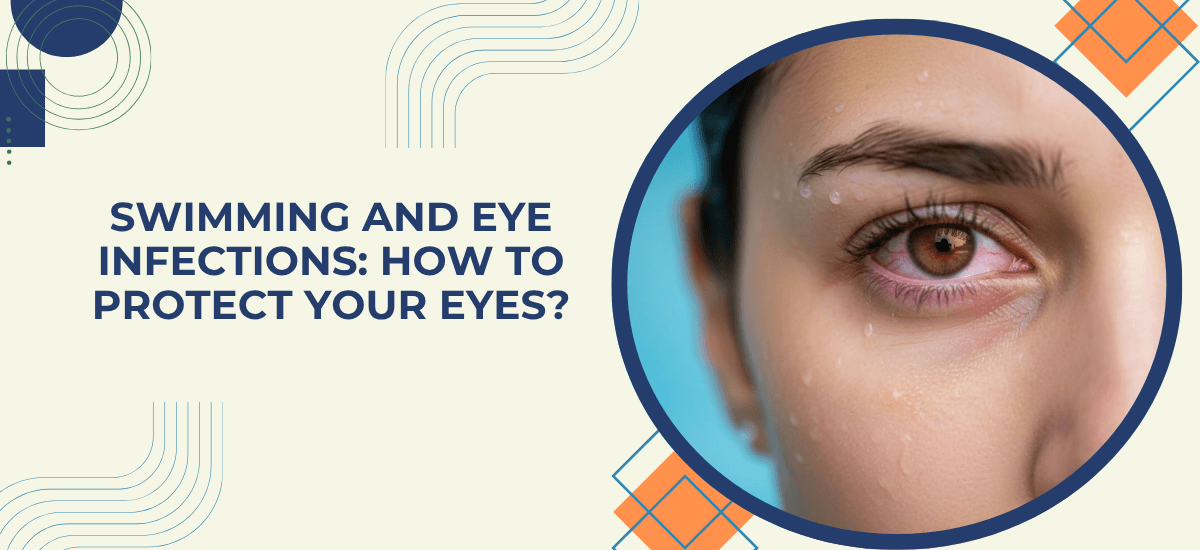
That stinging, red-eyed thing that happens after a swim, that's not just chlorine being harsh. It's usually your eyes' natural tear film getting stripped right off, and that film's doing more work than most people give it credit for. It's basically what keeps bacteria and irritants off the surface of your eye to begin with. Pool water, lake water, ocean water, none of it's actually clean, and once that protective layer washes away, your cornea's just sitting there exposed. Chlorine byproducts, bacteria, whatever else is floating around that nobody wants to think too hard about. A handful of simple habits before and after you swim genuinely decide whether you walk away fine or end up at the eye doctor a day later.
Dr. Vaishal Kenia, Chairman and Medical Director at Eye Hospital in Mumbai, says: "Every monsoon season, every summer, I see a steady stream of pink eye cases, sometimes worse. And it's almost always the same story. Swam with contacts still in, skipped goggles, rubbed their eyes the second they got out of the water. None of this is hard to avoid. People just forget in the moment because, well, they're having fun."
How Do You Actually Protect Your Eyes While Swimming?
Get goggles that actually fit your face, not whatever pair's been sitting in a drawer for years. A real seal keeps pool water off your eyes almost entirely, which handles chlorine irritation and infection risk in one shot. Loose, leaky goggles basically defeat the point of wearing them.
Take your contacts out before getting in, no exceptions here. Lenses trap bacteria right against the cornea, and pool water sneaking under a lens is a well known path to some pretty nasty infections. Same logic we talked about in our post on makeup and contact lens hygiene, keep contaminants far away from the lens surface, period.
Rinse your eyes with clean water the moment you're out, even if goggles were on the whole time. Washes off whatever residual chlorine snuck past the seal. Takes ten seconds, worth building into the habit.
Resist rubbing your eyes once you're out, no matter how much they're stinging. Rubbing just grinds whatever's on your hands, plus whatever's already irritating things, deeper into the eye. Artificial tears do a much better job here than a knuckle rub ever will.
What Infections Can You Actually Get, and When Should You Worry?
Pink eye, conjunctivitis, is the one doctors see constantly after pool exposure. Redness, discharge, that gritty feeling. Usually not dangerous, but spreads fast and is worth getting checked instead of just riding it out.
Acanthamoeba keratitis is the one that actually worries eye doctors. It's tied almost entirely to swimming or showering while wearing contacts. Rare, sure, but aggressive, and it can wreck a cornea if it's not caught early. Our earlier post on corneal ulcers gets into how fast this kind of thing can spiral.
Chlorine irritation on its own can look a lot like infection at first, redness, stinging, blurry vision, but it usually calms down within a few hours once you're away from the water. Still bothering you the next day? That's not chlorine anymore.
Pain that sticks around, redness that's getting worse, discharge, or vision that's not improving after a day or two, those are the signals that mean it's time for an actual exam. A ME-Check / SBM dry eye evaluation also helps if your eyes seem irritated a lot even when you're nowhere near a pool.
Why Choose Kenia Eye Hospital?
Kenia Eye Hospital's been treating patients in Santacruz (West), Mumbai since 1998, and pool related eye complaints, whether it's mild irritation or something more serious, get the same thorough look as anything else walking through the door. Telling chlorine irritation apart from conjunctivitis, or from an actual corneal infection, matters a lot for getting the right treatment fast, and that's exactly what a proper exam sorts out.
NABH, QAI, and FEQH accredited. CGHS empanelled. Call +91 75064 99962 or book a consultation if your eyes are still bugging you a day or more after swimming.
