Presbyopia: Causes, Symptoms, and Treatment Options
Are you holding your phone farther away to read messages? Do small letters look blurry even in good light? Many people worry that their eyesight is suddenly weakening, especially when distance vision still feels clear. This is why they search for answers about presbyopia.
Presbyopia is a natural age related change where the eyes find it harder to focus on close objects. It usually begins in the early 40s and progresses gradually. The good news is that presbyopia treatment is simple and effective for most people.
At Kenia Eye Hospital, patients receive clear diagnosis and practical solutions. Keep reading to understand presbyopia symptoms, presbyopia causes, and available treatment options.
What Is Presbyopia?
Presbyopia is the gradual loss of clear close up vision. It happens when the natural lens inside the eye becomes less flexible and cannot adjust easily for near focus. Presbyopia is not a disease. It is a normal part of aging and can be corrected.
Most people first notice it while reading, using a phone, or working on a screen. With the right presbyopia treatment, near vision becomes comfortable again.
What Are The Most Common Presbyopia Symptoms?
Presbyopia symptoms develop slowly, so they are often ignored at first. If these changes happen often, an eye checkup is recommended.
Common presbyopia symptoms include:
- difficulty reading small print
- needing to hold reading material farther away
- eye strain during near work
- headaches after reading or screen use
- blurred vision for close objects
- need for brighter lighting
- quicker fatigue while using screens
These symptoms usually affect both eyes.
What Causes Presbyopia ?
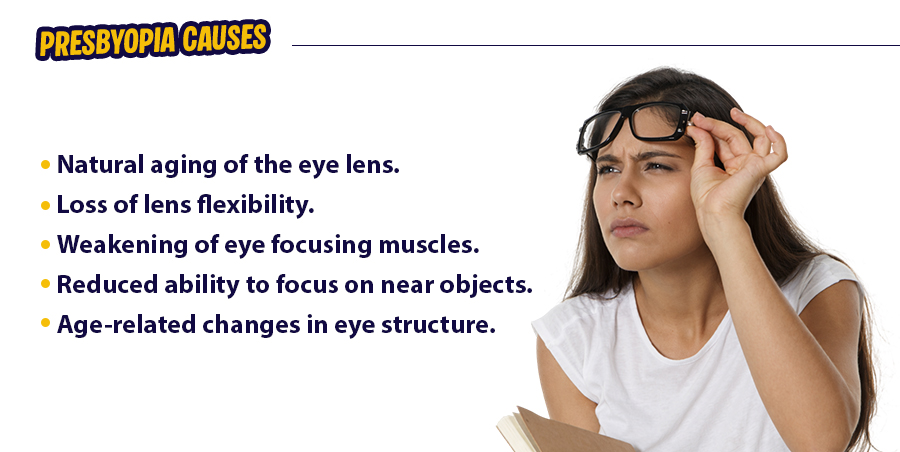
Presbyopia causes are mainly linked to natural ageing changes in the eye. As the lens and focusing system change, near vision becomes harder. Common presbyopia causes include:
Natural Age Related Lens Changes
The eye lens becomes stiffer with age, which reduces its ability to focus on near objects.
Reduced Flexibility Of Focusing Muscles
The muscles that help change the lens shape weaken over time, making near focus slower.
Changes In The Near Vision System
Near vision depends on smooth coordination between the lens, muscles, and eye structure. Age related changes reduce this coordination.
What Are The Risk Factors For Getting Presbyopia?
Risk factors do not cause presbyopia, but they can make symptoms appear earlier or feel stronger.
Understanding them helps with early care.
Common risk factors include:
- Age 40 and above, which is the main factor
- Existing refractive errors, especially farsightedness
- Prolonged screen use, which increases eye strain
- Certain medical conditions or medications, such as diabetes
If you are above 40, regular eye exams help detect early changes.
How Is Presbyopia Diagnosed?
Presbyopia is diagnosed through a simple eye examination that checks near vision.
A refraction test measures how clearly you see at different distances.
Presbyopia is confirmed when:
- Near vision improves with added focusing power
- Distance vision remains mostly unchanged
The exam also checks for farsightedness, nearsightedness, or astigmatism so correction is accurate.
What Are The Best Presbyopia Treatment Options?
Presbyopia treatment depends on your lifestyle, work needs, and comfort.
Most people start with lenses, while some choose advanced options later.
Eyeglasses
Eyeglasses are the most common correction method.
- reading glasses for near tasks only
- bifocals with two vision zones
- progressive lenses with smooth distance to near transition
Contact Lenses
Contact lenses suit people who prefer not wearing glasses.
- multifocal contact lenses for near and distance
- monovision correction for selected patients
Advanced Treatment Options
Some patients may be suitable for procedures after evaluation.
- laser or lens based correction in selected cases
- PRK for suitable refractive conditions
Eye Drops
In selected cases, doctors may prescribe approved eye drops to improve near vision by increasing depth of focus.
An experienced eye hospital in India can guide you on the safest option for your eyes.
When Should You Consult an Eye Doctor?
You should see an eye doctor when near vision starts affecting comfort or daily tasks.
Early consultation reduces strain and improves quality of life.
Consult an eye doctor if you notice:
- ongoing difficulty reading
- frequent headaches after near work
- eye strain during screen use
- daily tasks becoming uncomfortable
If you are searching for the best eye hospital in Santacruz, an evaluation with Kenia Eye Hospital can confirm presbyopia and guide treatment.
Why Are Regular Eye Exams Important After 40?
Regular eye exams help maintain clear and comfortable vision as you age. They also help detect other age related eye changes early.
Regular eye exams help:
- detect presbyopia early
- update vision prescriptions
- reduce eye strain and headaches
- support long term eye health
Kenia Eye Hospital, the best eye care hospital in India guides you on lighting, screen habits, and lens choices.
Can Presbyopia Be Prevented?
No, presbyopia cannot be prevented because it is a natural part of ageing.
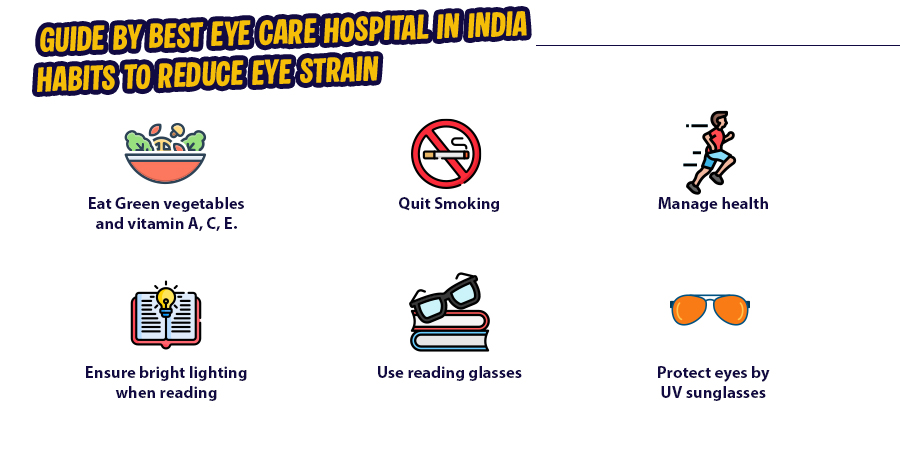
However, symptoms can be managed well with timely correction and healthy habits.
Book Your Eye Appointment At Kenia Eye Hospital Now!
Presbyopia is common after 40 and mainly affects close up vision. Presbyopia symptoms include near blur, eye strain, and headaches. Presbyopia causes are linked to age related lens and focusing changes. With the right presbyopia treatment, most people regain clear and comfortable near vision for daily life.
If near vision is becoming difficult, do not delay care. Kenia Eye Hospital offers clear diagnosis and personalised correction options. If you are looking for the best eye hospital in Santacruz or a trusted eye hospital in India, book a consultation at 075064-99962 for the right treatment.
FAQs
At What Age Does Presbyopia Usually Start?
Presbyopia usually starts between the ages of 40 and 45. The change happens gradually as the eye’s natural lens becomes less flexible over time.
Can Presbyopia Affect People With Perfect Eyesight?
Yes. Presbyopia affects everyone with age, even people who never needed glasses before. It is related to lens flexibility, not overall eye power.
Is Presbyopia A Serious Eye Disease?
No. Presbyopia is not a disease. It is a normal, age related change in near focusing ability and can be corrected easily.
How Is Presbyopia Diagnosed?
Presbyopia is diagnosed through a routine eye examination that checks near vision. A refraction test confirms the condition when near vision improves with added focusing power.
Does Excessive Screen Use Cause Presbyopia?
No. Screen use does not cause presbyopia. However, long screen hours can increase eye strain and make near vision discomfort more noticeable.
Can Presbyopia Be Prevented?
No. Presbyopia cannot be prevented because it is part of natural ageing. Symptoms can be managed effectively with timely correction and eye care.
Why Are Regular Eye Exams Important After 40?
Regular eye exams help detect presbyopia early and keep vision prescriptions accurate. They also reduce eye strain and identify other age related eye changes.