
Advanced technology
Modern excimer laser systems and high-precision corneal imaging support treatment planning.
TPRK, PRK and C3R in Mumbai
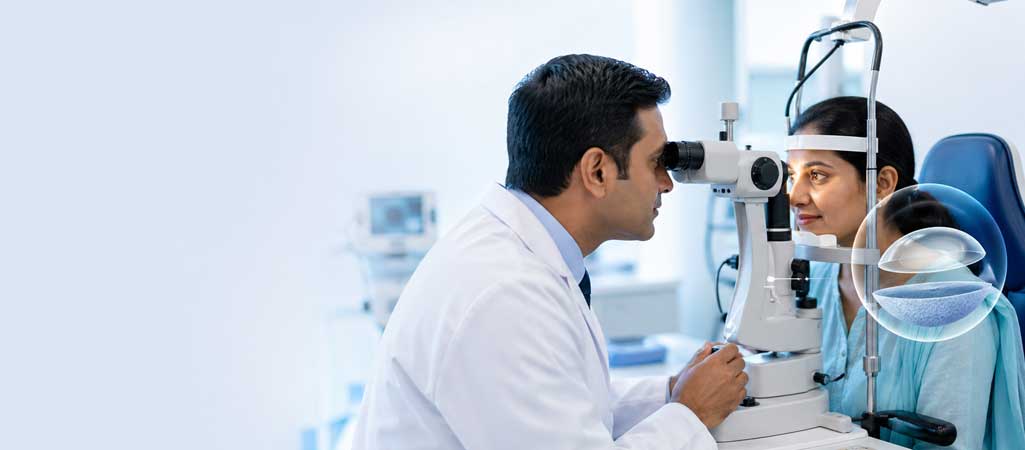
Kenia Eye Hospital offers customized corneal and surface laser treatment planning for patients with thin corneas, keratoconus, corneal irregularities, and selected eyes that are not suitable for conventional LASIK.
Kenia Eye Hospital provides advanced corneal and laser vision correction treatments including TPRK, PRK, and C3R using modern technology and personalized treatment planning.
These options may be considered for selected patients with thin corneas, corneal irregularities, keratoconus concerns, or eyes that are not suitable for conventional LASIK surgery.
TPRK, also known as TransPRK or Transepithelial Photorefractive Keratectomy, is a no-touch surface laser procedure that reshapes the cornea to reduce glasses power.
Unlike conventional LASIK, TPRK does not involve creating a flap. The laser removes the outer corneal layer and corrects vision in a single-step, touch-free treatment.
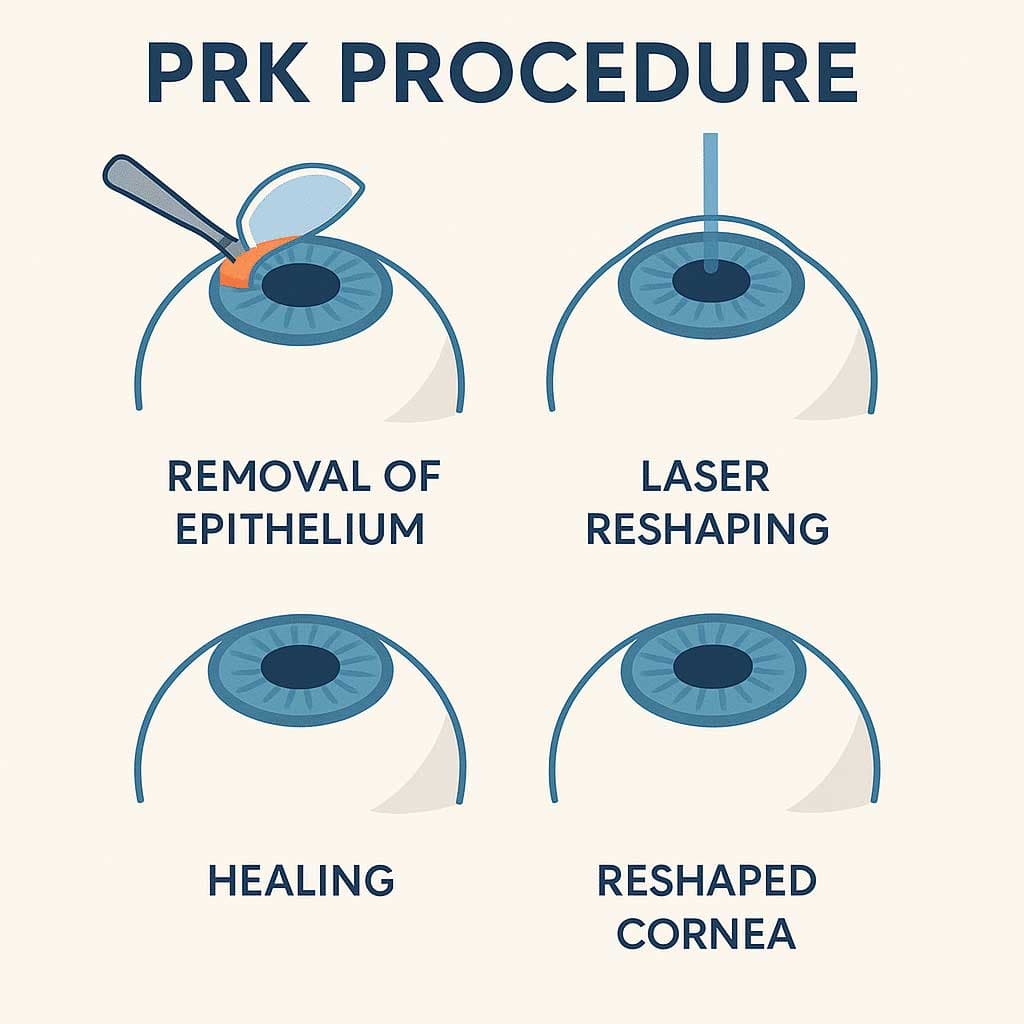
PRK, or Photorefractive Keratectomy, is a proven surface laser treatment for myopia, hyperopia, and astigmatism.
During PRK, the outer corneal layer is gently removed before laser reshaping. The corneal surface then heals naturally over the next few days.
PRK is often considered for patients with thin corneas, irregular corneal shape, dry eyes, high-risk occupations, or contact sports where a flapless approach is preferred.
C3R, or Corneal Collagen Cross-Linking, is an advanced treatment used to strengthen weak corneas and help prevent progression of keratoconus.
The procedure combines riboflavin, also called Vitamin B2, eye drops with controlled ultraviolet light to strengthen collagen fibers and improve corneal stability.
C3R may be used for keratoconus, progressive corneal thinning, post-LASIK ectasia, and other corneal weakness after specialist evaluation.
In selected keratoconus patients, customized TPRK combined with C3R may help improve corneal shape, reduce glasses number, improve vision quality, and stabilize the cornea.
Suitability is decided only after advanced corneal mapping and detailed diagnostic testing by the cornea team.
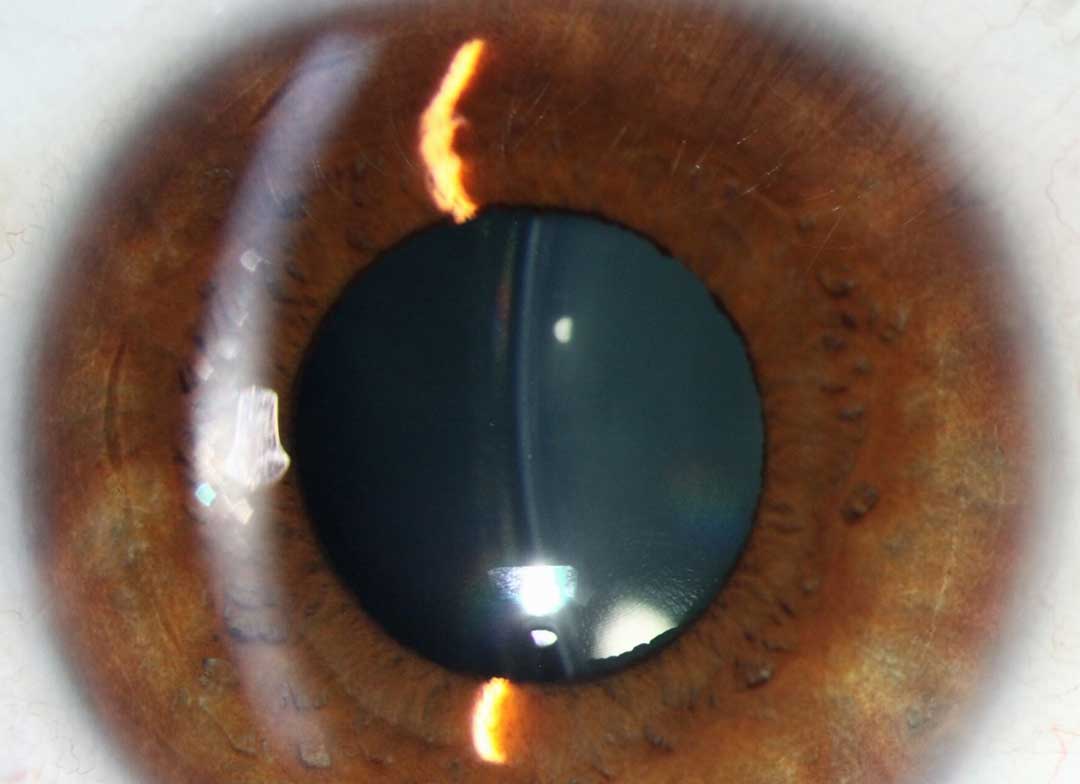
Pentacam corneal mapping and detailed evaluation help detect early corneal abnormalities when these vision changes appear.
A detailed eye examination is essential before confirming eligibility.
Modern excimer laser systems and high-precision corneal imaging support treatment planning.
The team evaluates customized laser vision correction and corneal treatment options.
Testing can include corneal topography, Pentacam analysis, dry eye assessment, and vision evaluation.
Recommendations account for corneal thickness, eye power, lifestyle, and visual requirements.
Clear counseling keeps long-term visual safety and outcomes central to the decision.
Consult the experts at Kenia Eye Hospital for detailed eye evaluation and customized treatment options for safer, clearer, and more stable vision.